Коллекции
Артефакты и культурное наследие
13 artifacts
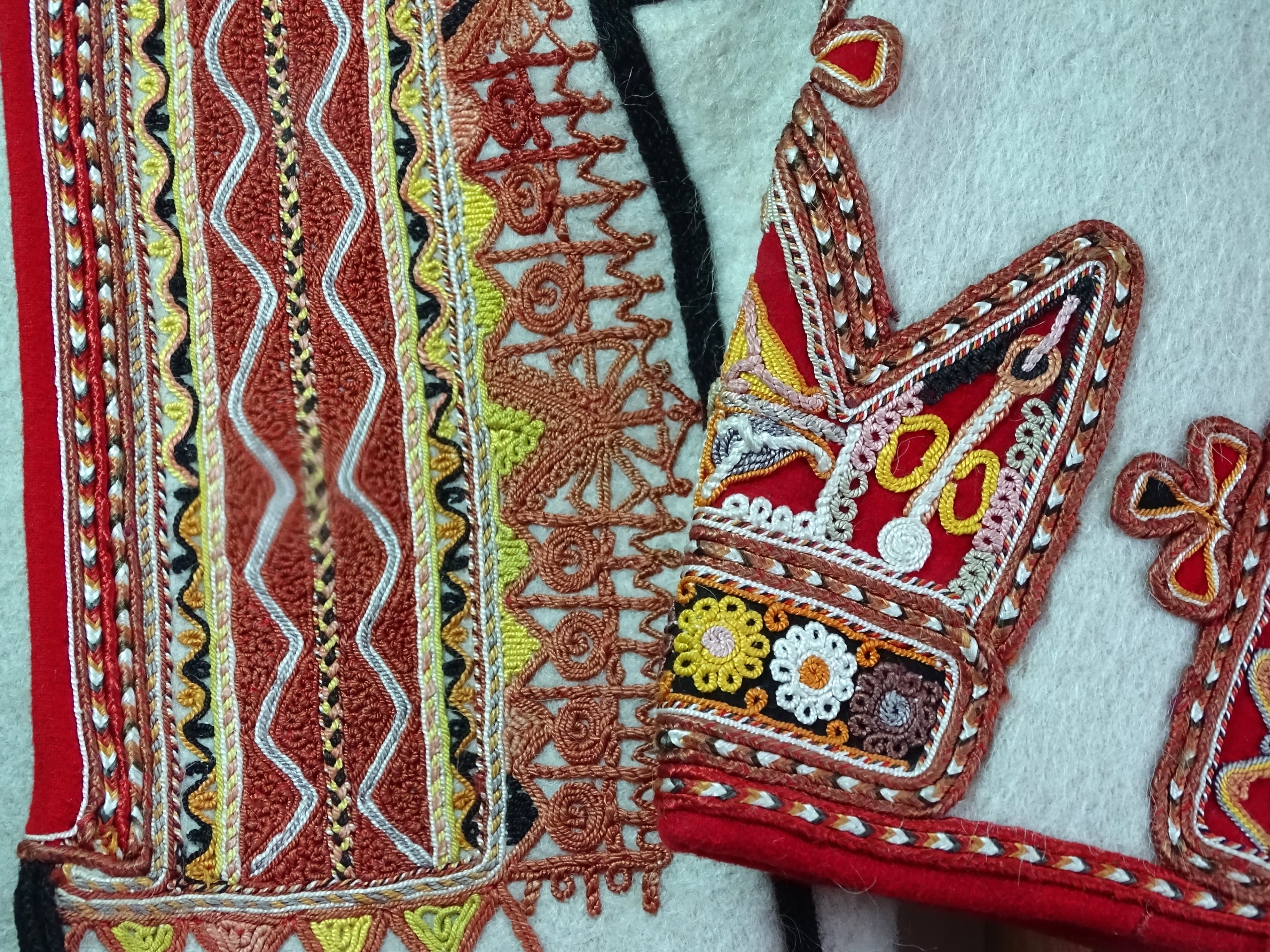
Traditional Female Costume
Complete female costume from the Krujë region. Includes an embroidered xhubleta with gold thread, silver belt and traditional headwear. Reflects the high craftsmanship of Albanian weaving and embroidery during the Ottoman period.
Подробнее →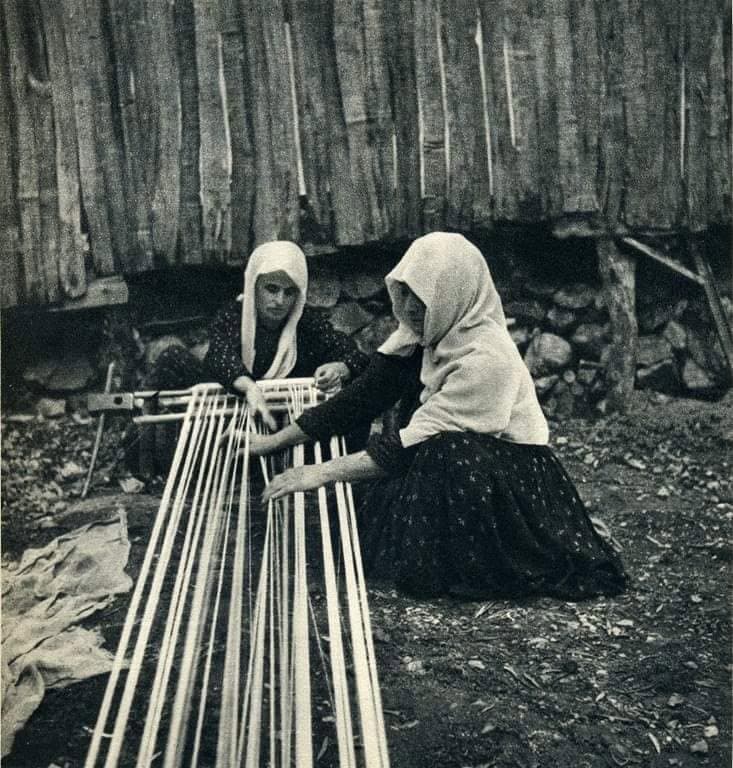
Traditional Weaving — Albanian Women's Craft
Albanian women at a traditional loom — a craft passed down through generations. Weaving was the primary occupation of women in rural areas, producing rugs, saddlebags and garments with decorative motifs unique to each village.
Подробнее →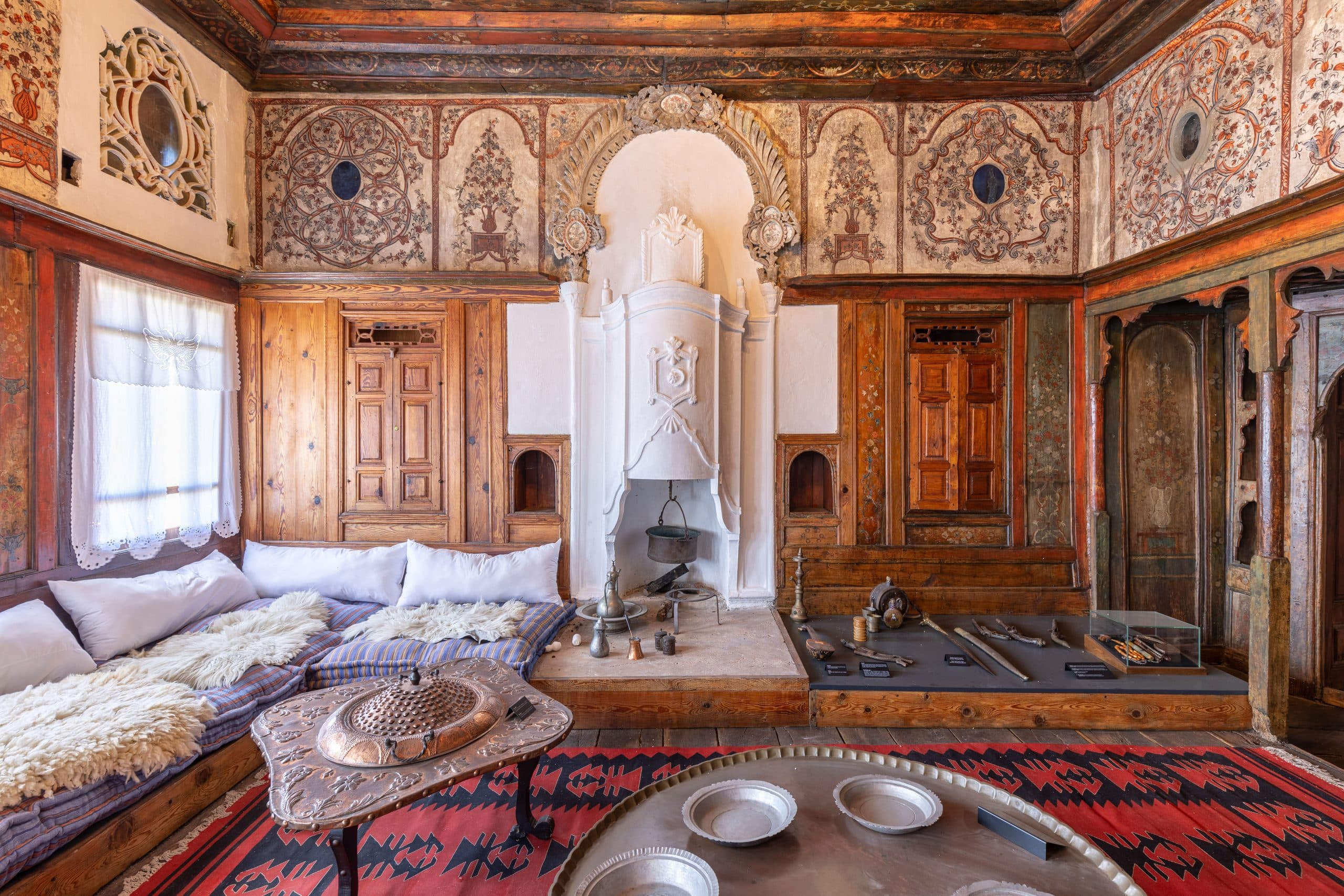
Traditional Hearth
Stone hearth carved with traditional Albanian motifs. The centre of the Albanian home — where the family gathered, food was cooked, and social life unfolded.
Подробнее →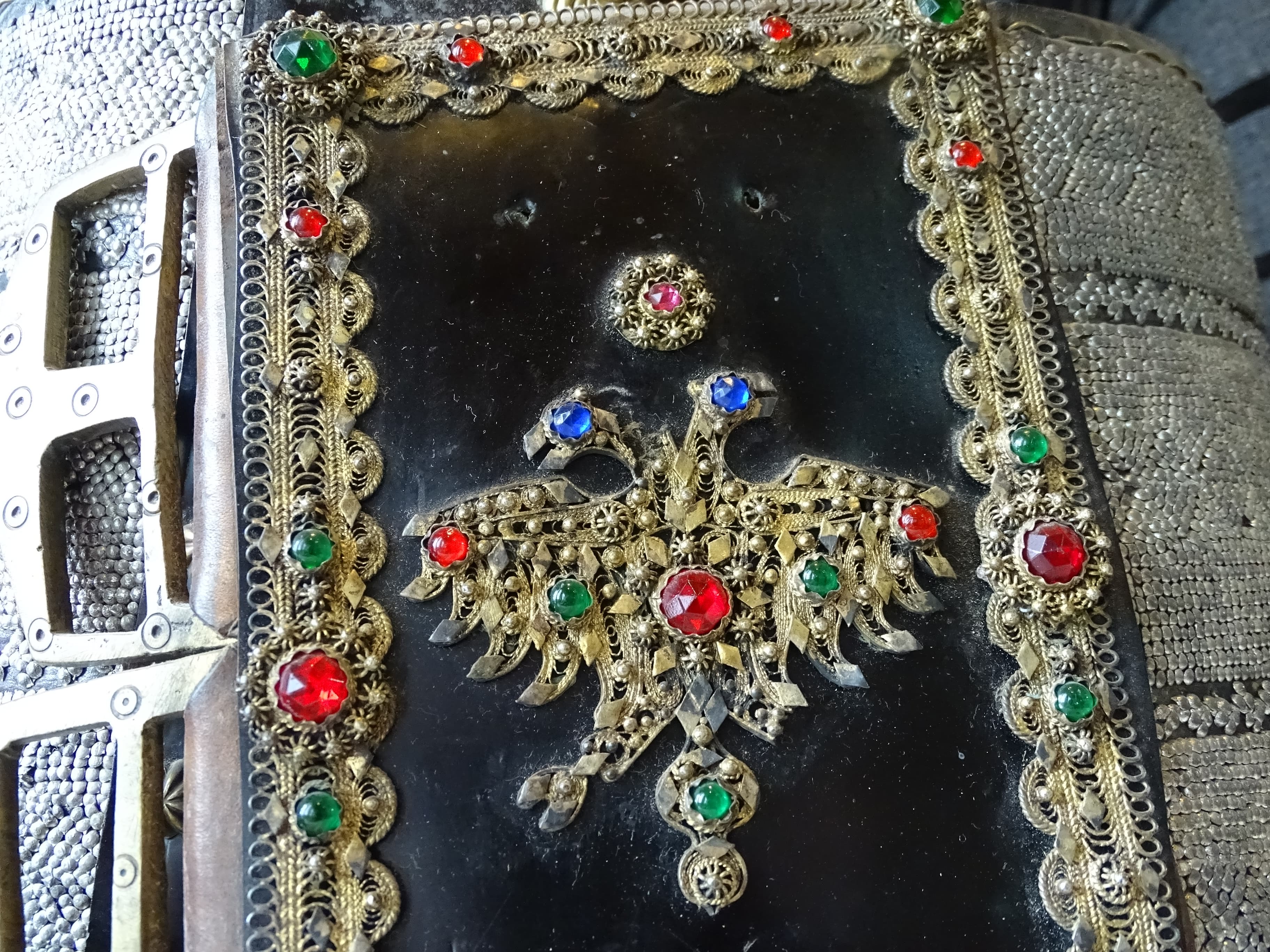
Restored Illyrian Rug Fragment
Restored rug fragment with Illyrian geometric motifs. The triangular and zigzag patterns are characteristic of the decorative art of Adriatic Illyrian tribes.
Подробнее →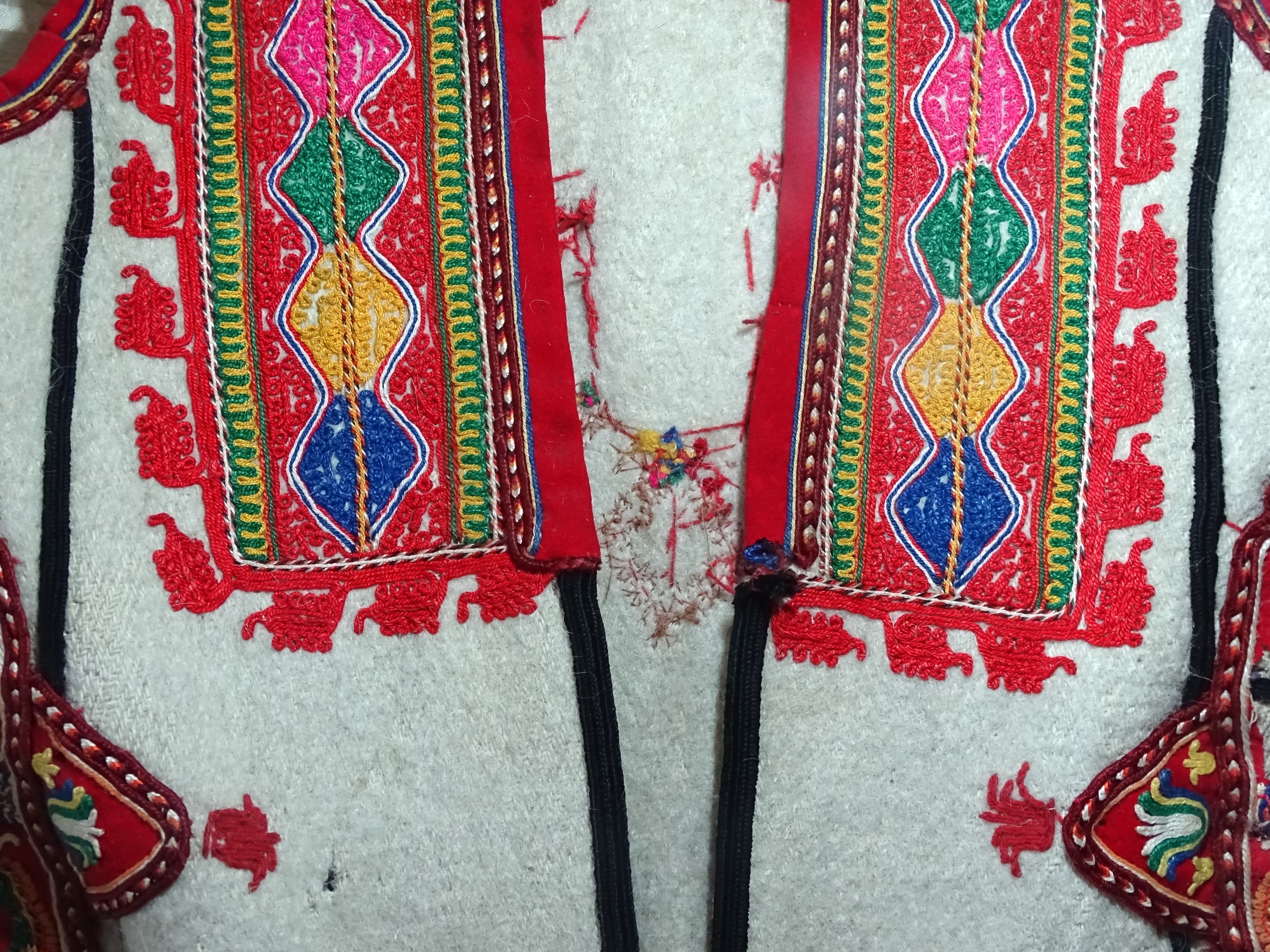
Traditional Silver Jewellery
Collection of filigree silver jewellery — bracelets, earrings and necklaces. Albanian silversmithing has a centuries-old tradition reflecting both Oriental and Venetian influences.
Подробнее →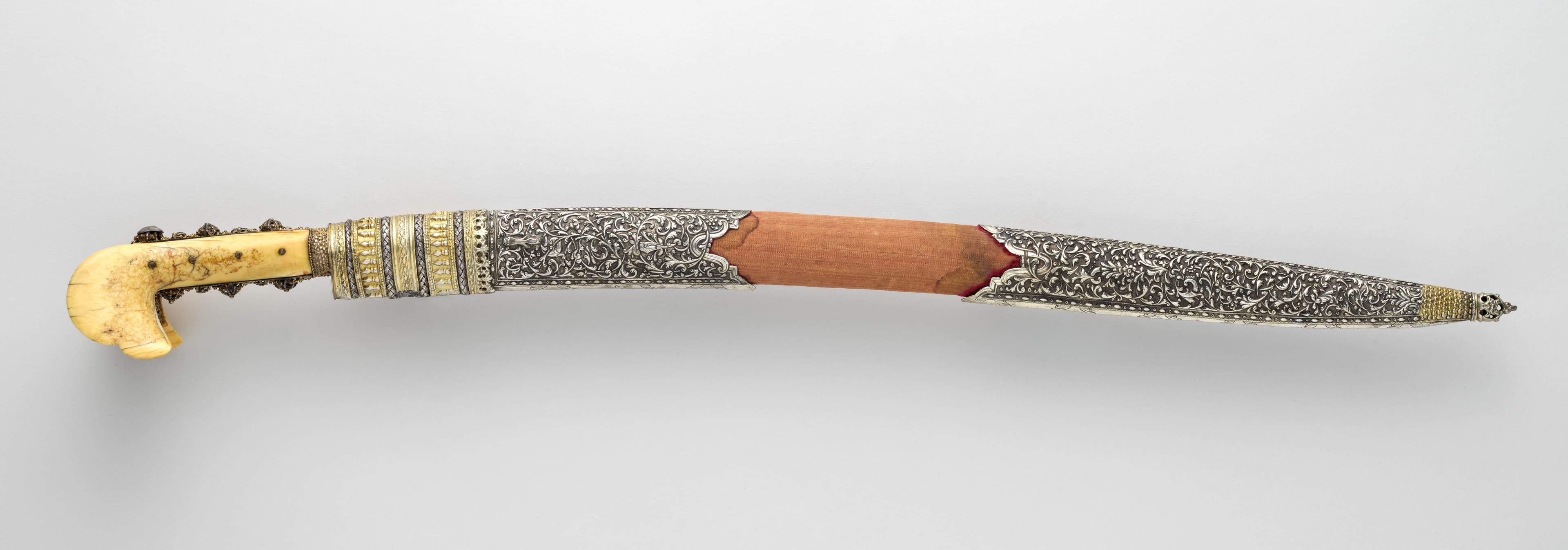
Skanderbeg's Sword
Ceremonial sword attributed to Gjergj Kastrioti — Skanderbeg. Tempered steel blade with a finely engraved silver hilt. One of the most treasured artifacts of the Albanian resistance against the Ottoman Empire.
Подробнее →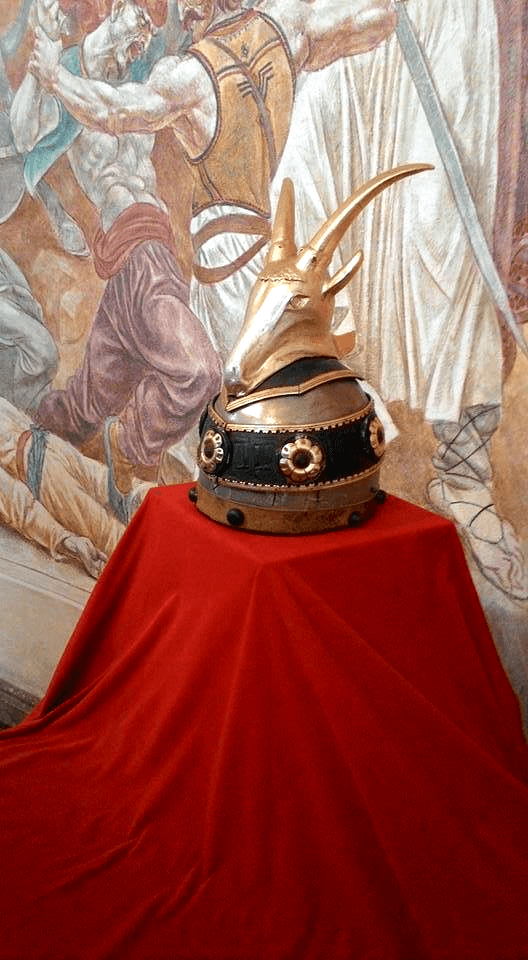
Skanderbeg's Helmet (Replica)
Exact replica of Skanderbeg's original helmet, preserved in the Kunsthistorisches Museum in Vienna. The conical helmet crowned with a goat's head — the Kastrioti family crest — is the most recognisable symbol of medieval Albania.
Подробнее →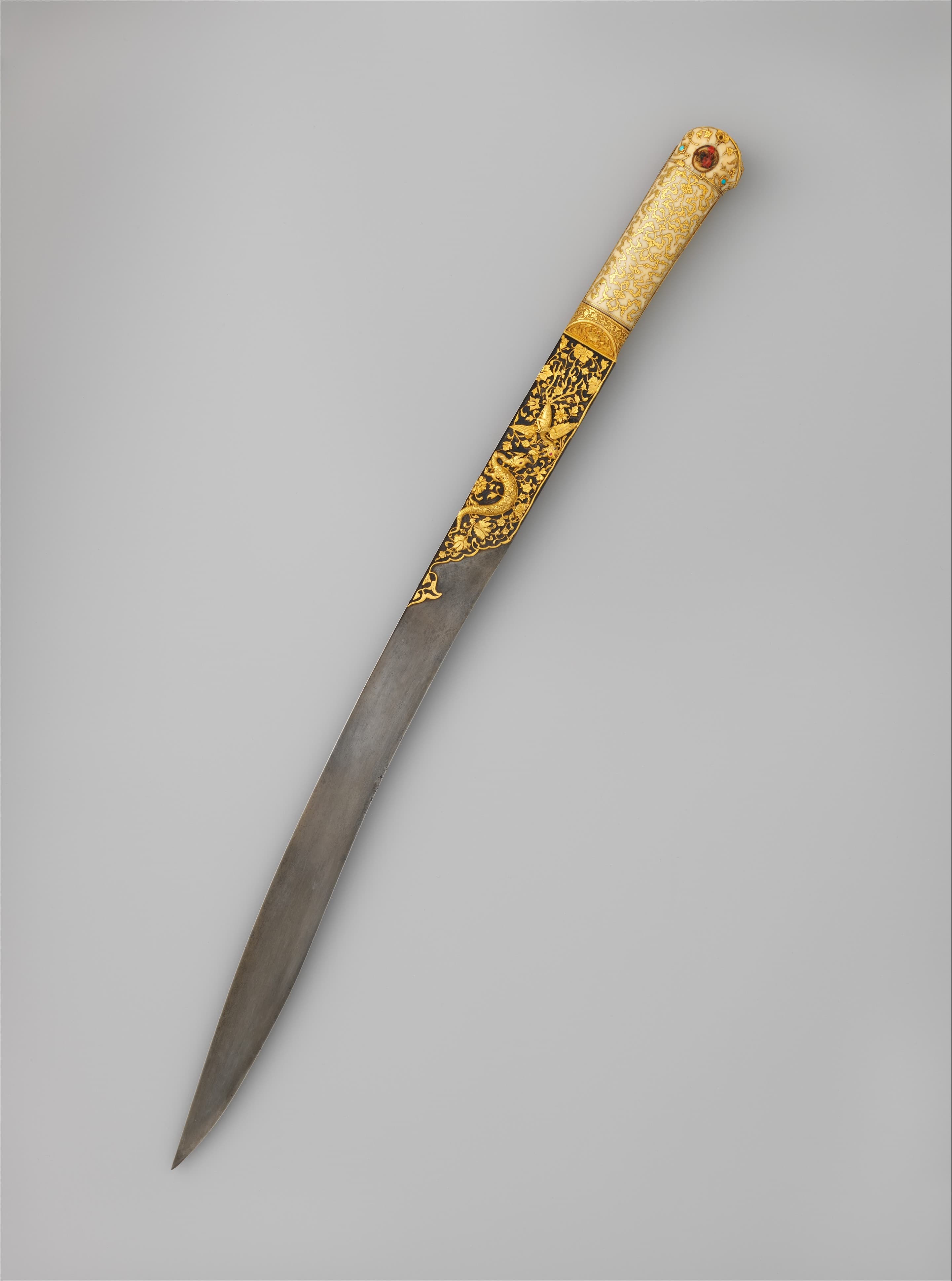
Ceremonial Dagger — Ottoman Court Weapon
Ceremonial dagger with a steel blade inlaid with gold foliate scrollwork and an ivory handle set with a red gemstone. A prestige weapon of the Ottoman nobility, reflecting the refined craftsmanship of 16th-century court armouries.
Подробнее →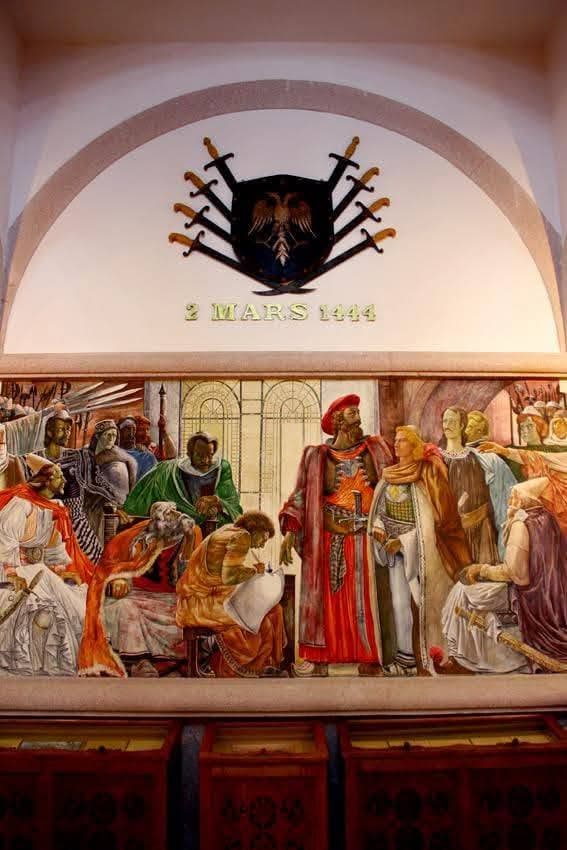
League of Lezhë — Assembly of 2 March 1444
Historical fresco of the Assembly of Lezhë — the moment when 25 Albanian lords gathered on 2 March 1444 and elected Gjergj Kastrioti supreme commander. This alliance marked the beginning of 25 years of resistance against the Ottoman Empire.
Подробнее →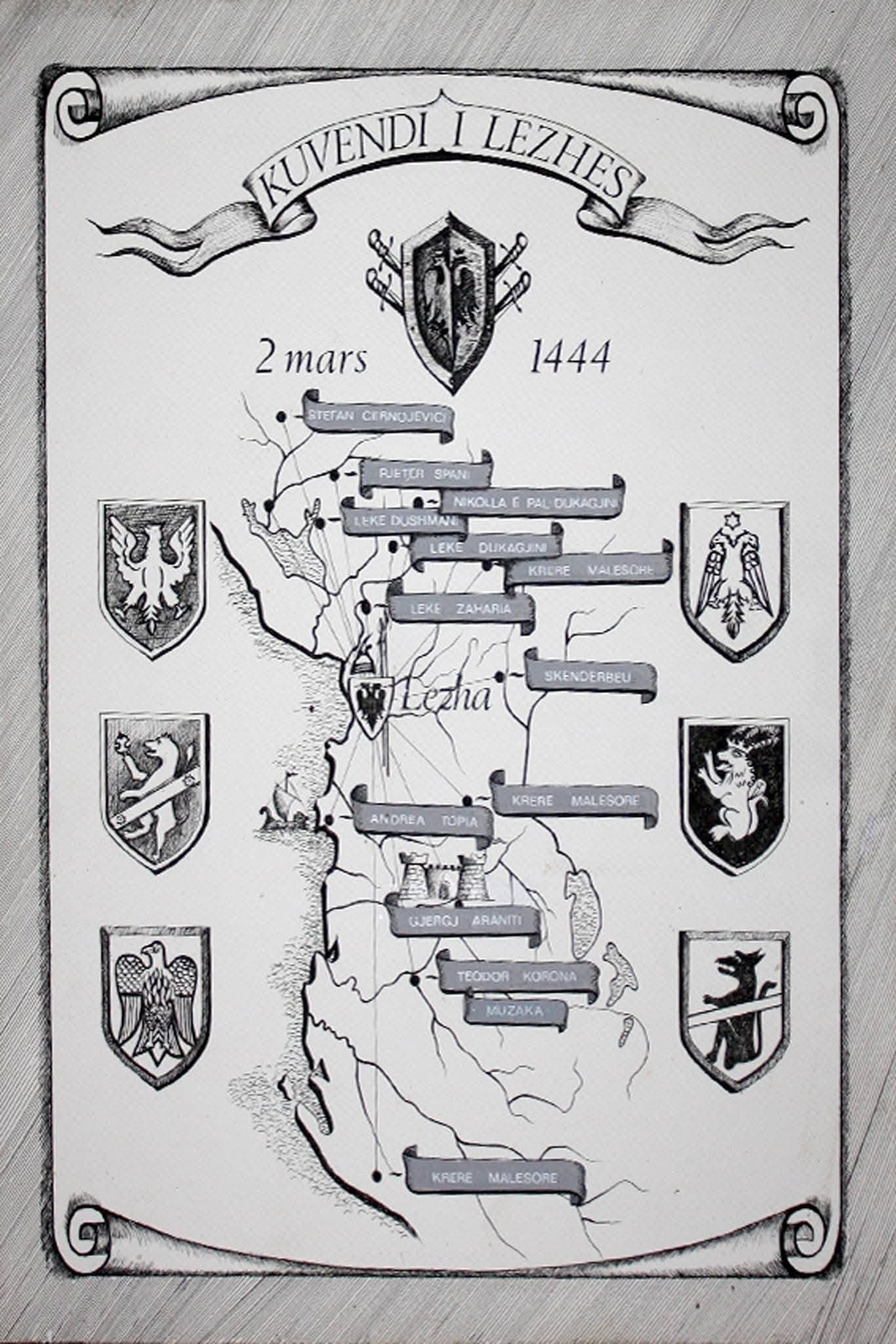
Alliance Map — Assembly of Lezhë, 2 March 1444
Historical document of the Assembly of Lezhë naming all 25 Albanian lords and their territories: Stefan Cernojevici, Lekë Dukagjini, Skanderbeg, Andrea Topia, Gjergj Araniti and others — united against the Ottoman Empire. The double-headed eagle emblem crowns the document.
Подробнее →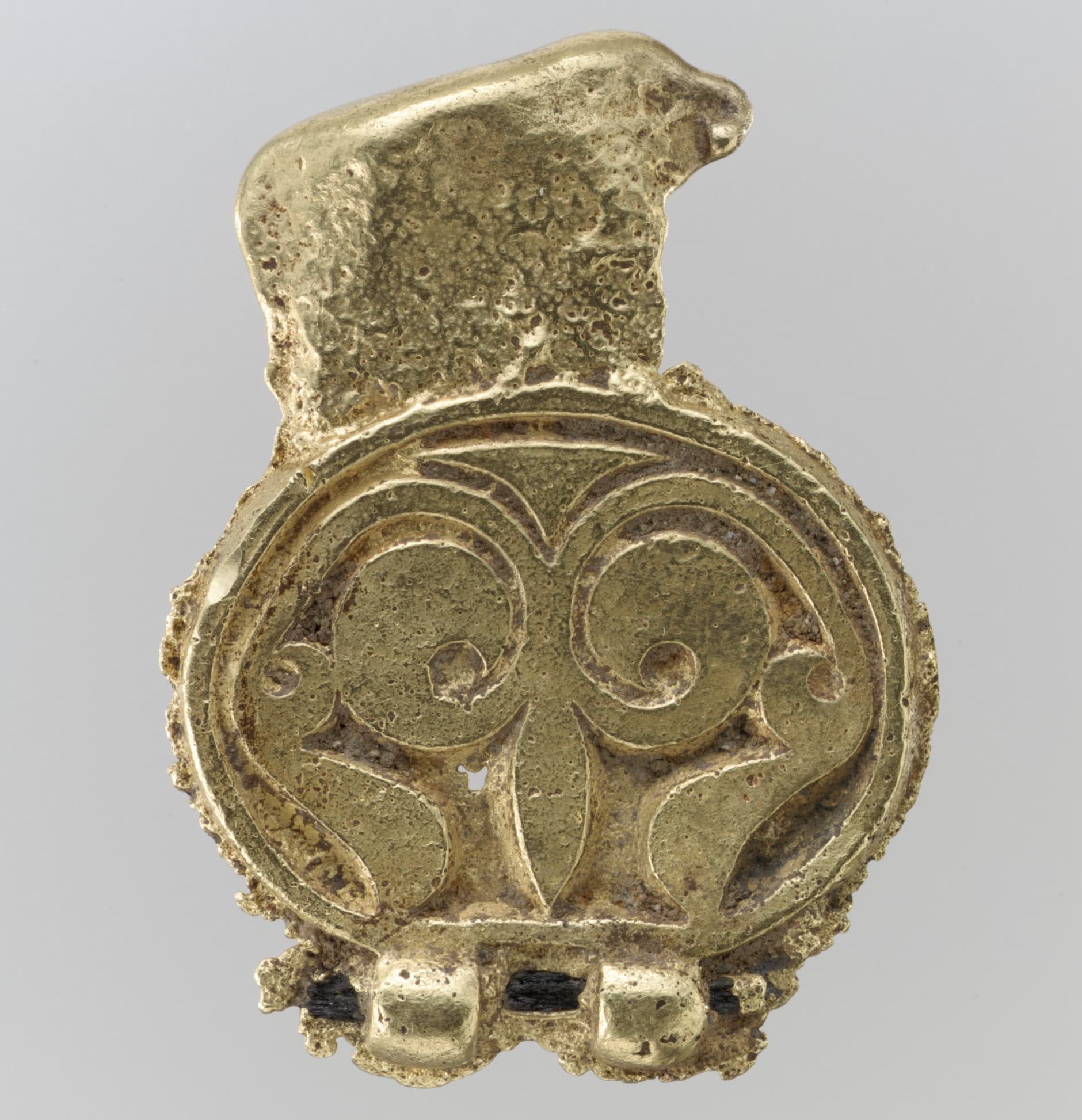
Gold Belt Clasp — Medieval Albanian Ornament
Gilded bronze belt clasp with interlaced scroll and floral motifs, part of the ceremonial dress of the Albanian medieval nobility. The casting technique and decorative vocabulary reflect Byzantine and Balkan craft traditions of the period.
Подробнее →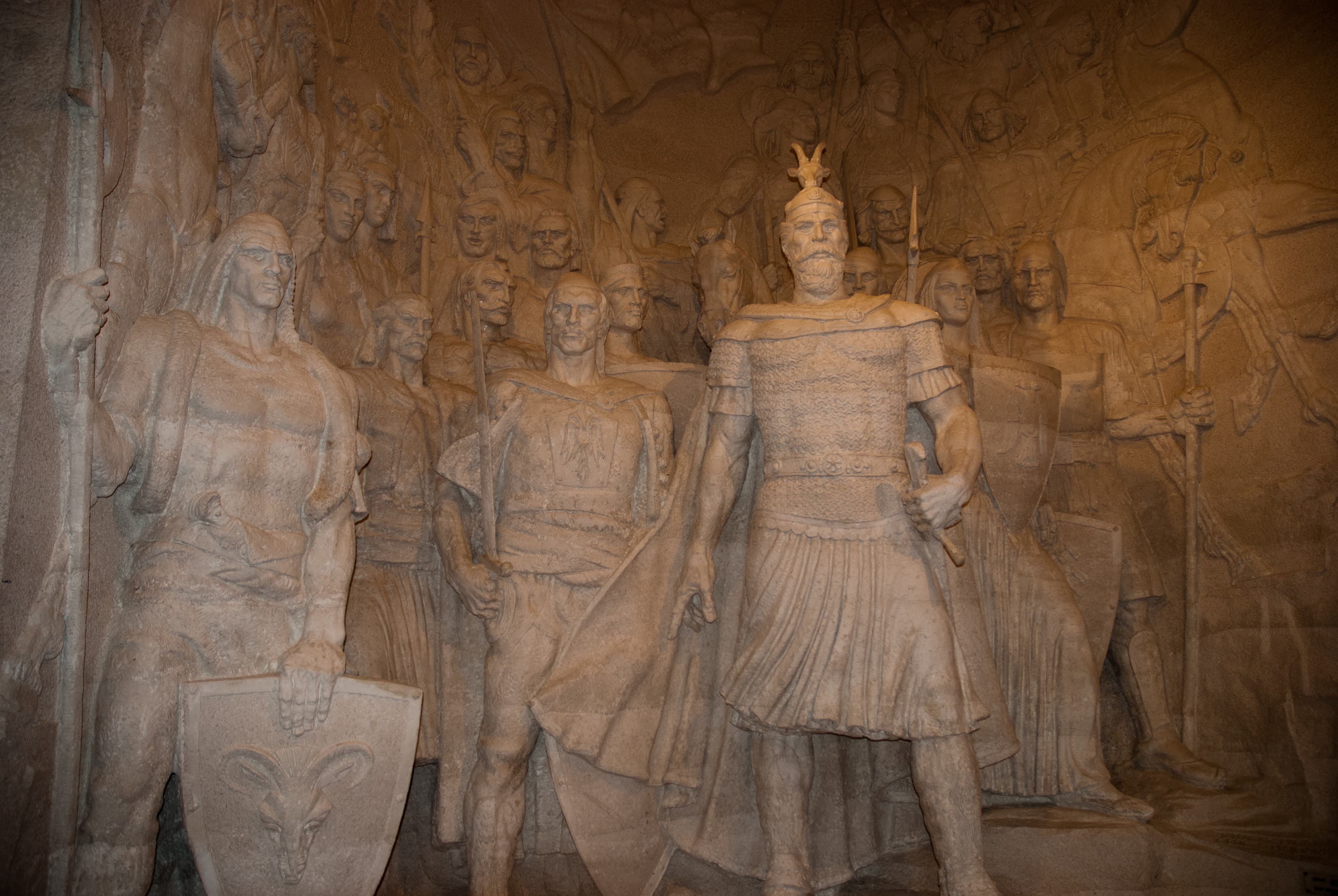
Stone Relief — Skanderbeg and the Albanian Resistance
Interior stone relief of the Skanderbeg Historical Museum — Skanderbeg surrounded by Albanian warriors bearing arms and swords, with the Kastrioti goat-head emblem visible on their helmets. Commissioned as an artistic testament to the Albanian medieval heritage.
Подробнее →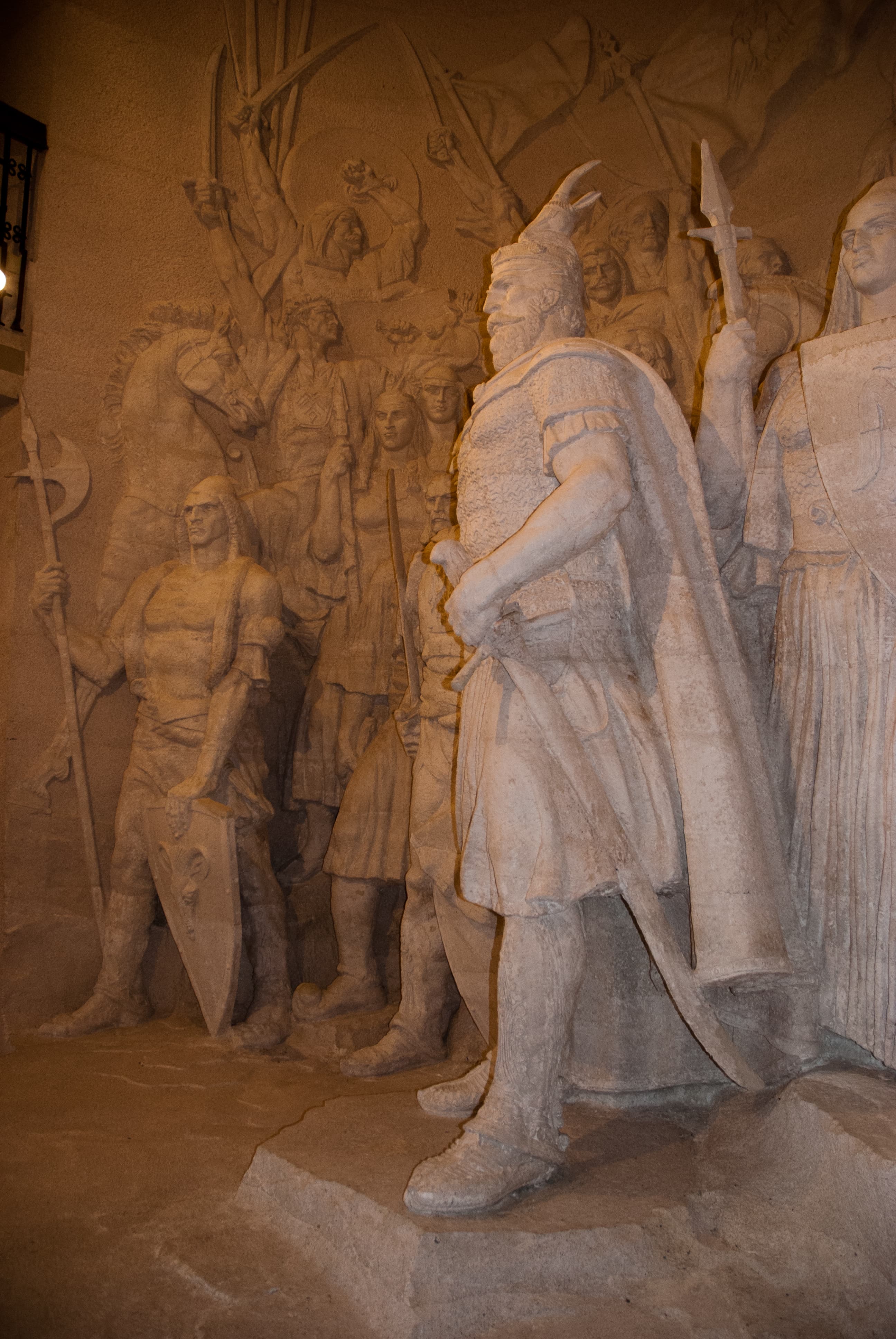
Interior Relief — Skanderbeg Historical Museum
Monumental stone relief displayed inside the Skanderbeg Historical Museum — Skanderbeg in the characteristic Kastrioti goat-head helmet, holding a scroll and surrounded by Albanian nobles. A work of figurative art commissioned as a testament to Albanian medieval heritage.
Подробнее →